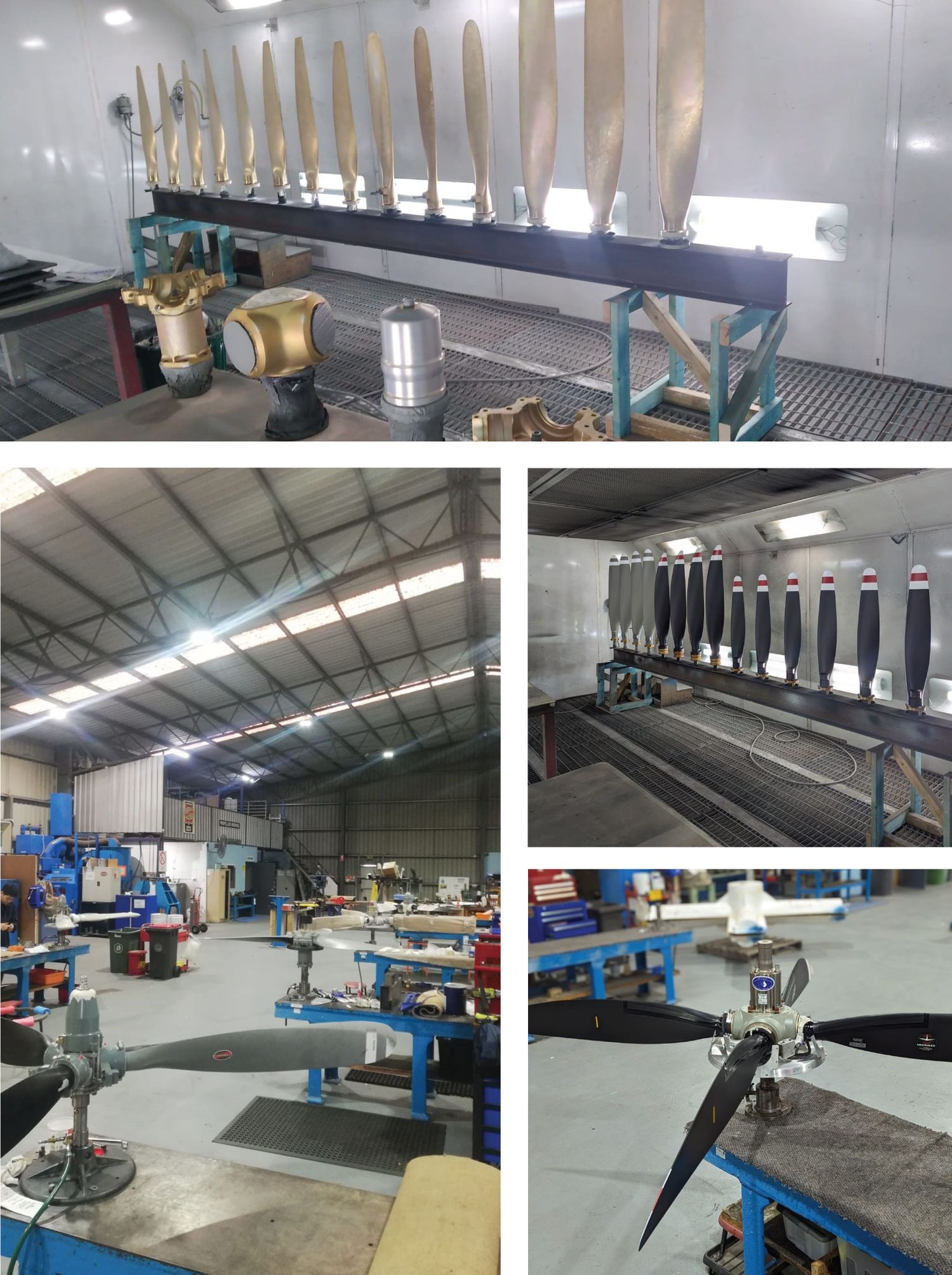
Propeller Parts choices that keep Aircraft Propellers working properly
Aircraft do not loudly signal when parts begin to wear down; instead, small changes occur gradually during normal use. Aircraft propellers endure stress with every minute the engine runs, as factors like heat, vibration, and air resistance accumulate. Most pilots can detect subtle signs of wear before serious issues arise. Being aware of these changes is crucial to avoiding hasty decisions later. Effective maintenance combines observation and timing, rather than guesswork.
Metal Fatigue Can Be Hidden Under Normal-Looking Surfaces
Blades may appear fine from a distance, yet still have underlying issues. Tiny cracks, corrosion, or imbalances often begin small but can develop rapidly, given the high speeds of aircraft propellers. Conducting inspections helps catch problems before performance declines. Surface checks are insufficient; internal measurements frequently reveal more than visual inspections can.
The Importance of Flight Hours and Calendar Time
Flight hours provide one perspective, while calendar time offers another. Seals degrade even when the aircraft remains idle. Propeller overhaul schedules must consider both factors. A propeller with low flight hours may still require servicing. Ignoring calendar limits increases risk silently. Balanced planning considers both usage and time exposure.
Overhaul Work Goes Beyond Cleaning and Painting
A proper propeller overhaul involves complete disassembly. Every component is cleaned, measured, and compared to established limits. Depending on wear, blades may be dressed or replaced. Bearings and seals receive close inspections. Reassembly follows approved procedures meticulously, restoring correct tolerances without merely focusing on appearance.
Balance Affects More Than Just Comfort
Even a slight imbalance can lead to vibration, which travels through the engine and airframe. Aircraft propellers must meet strict balance limits. Proper balancing not only reduces stress on mounts and bearings but also enhances smoothness during flight. Balance checks are precise and performed repeatedly until readings fall within the acceptable range.
Environmental Exposure Alters Maintenance Needs
Coastal air accelerates corrosion, while dusty regions cause more rapid wear on leading edges. Therefore, propeller overhaul intervals may need to be shortened based on the operating environment. Protective coatings can slow down damage, but cannot completely prevent it. Understanding environmental exposure helps pilots plan realistically, as it often holds as much importance as flight hours.
Records Shape Future Decisions Quietly
Maintenance logs significantly influence resale value and airworthiness reviews. Clear documentation on aircraft propeller services is essential. Missing records can complicate approvals and inspections. Proper paperwork facilitates smoother maintenance cycles and saves time during audits and future servicing.
Scheduling Reduces Downtime Stress
Delaying maintenance for too long creates pressure. Early planning for propeller overhaul leads to better alignment with other maintenance tasks. Advance scheduling allows for parts sourcing without urgency, leading to predictable downtime that helps operators manage availability more calmly. Good planning often minimises total disruption.
Conclusion
Effective propeller care requires pilots to understand wear patterns and timing limits. For further technical guidance, visit eastcoastpropellers.com.au to support informed maintenance planning. Regular inspections and detailed records help reduce unexpected groundings and prevent secondary damage. Well-balanced decisions protect engines, airframes, and long-term operating costs. If you are nearing service limits or noticing early signs of wear, consult qualified professionals specialising in propeller systems and take proactive steps toward maintaining safe and compliant aircraft operations.