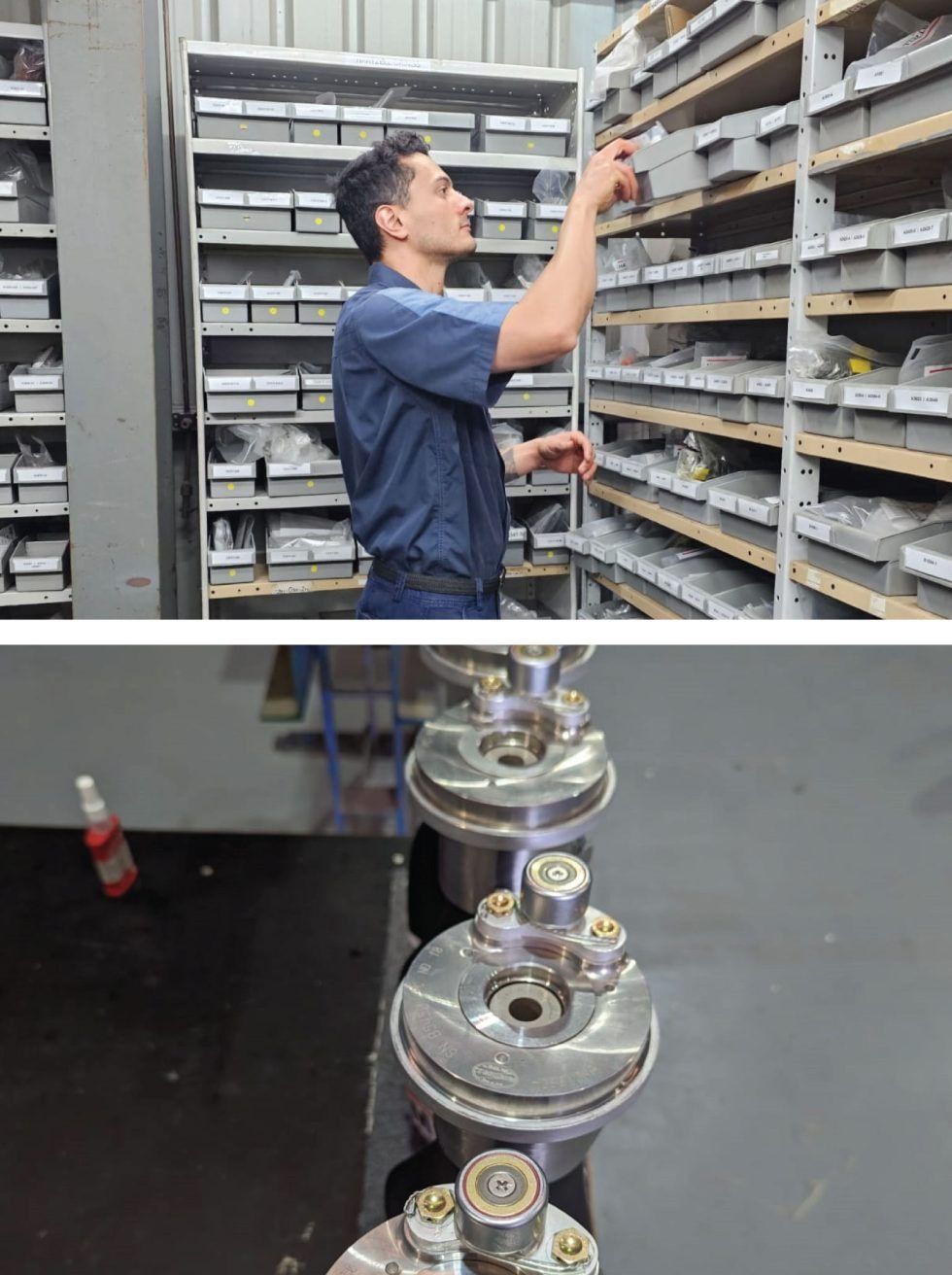
High-Performance Aircraft Propellers And Essential Propeller Parts
Aircraft often appear to operate silently; however, their performance fundamentally relies on precision-engineered components that dictate their operational efficacy. Aircraft propellers comprise more than mere rotating blades; they represent engineering advancements that convert engine power into thrust. From small general aviation aircraft to commercial turboprop models, the efficiency of the propeller is a critical determinant of speed, fuel consumption, and safety. Consistency is paramount for pilots, as even marginal miscalculations can lead to significant operational issues. A comprehensive understanding of propeller dynamics is essential, as it influences both operational efficiency and flight reliability. Aviation enthusiasts seldom can examine these components closely.
The Impact of Propeller Components on Flight Quality
Every aspect of a propeller, including blades, hubs, and spinners, plays a vital role in ensuring stability during flight. Various propeller components, such as blades, pitch control mechanisms, and spinners, interact mechanically to ensure that thrust is evenly distributed. Regular maintenance and inspections are critical to preventing component failures. Aircraft operate under changing loads, wind conditions, and varying speeds; thus, each component must withstand considerable stress and fatigue. Any damage can lead to severe consequences. Investing in high-quality materials enhances safety, as even minor imperfections can detrimentally affect performance. Aviation engineers focus meticulously on tolerances, as precision is of utmost importance.
Significance of Materials and Design Innovations
Contemporary aircraft propellers utilise advanced materials, including specialised metals, composites, and coatings, to enhance durability. Aerodynamic designs are employed to minimise drag while maximising thrust, with noise reduction also being a primary design consideration. Engineers must carefully balance weight, strength, and flexibility in propeller design. Although older propeller models remain in service, modern innovations are redefining operational efficiency. Each propeller must comply with stringent certification standards, as any compromises in quality can jeopardise safety. Flight tests often reveal subtle vibrations; thus, design decisions have a direct impact on the pilot’s experience, extending beyond aesthetic considerations.
Maintenance as a Guardian of Performance and Safety
Routine inspections of propeller components are essential for ensuring longevity and maintaining operational efficacy. Fatigue cracks, corrosion, or loose fittings can lead to rapid escalations in safety concerns. Non-destructive testing methodologies play a vital role in identifying concealed defects prior to potential failures. Given that propellers endure harsh environmental conditions—including exposure to salt, rain, and debris prompt replacement of worn components is crucial. Maintenance personnel meticulously track service hours, and thorough documentation is required for certification processes. Neglecting routine maintenance can pose significant risks, which pilots and operators must carefully consider.
Enhancements in Flight Efficiency through Upgrades
The implementation of modern Propellers Parts or retrofit systems markedly improves performance. Newer blade designs and advanced pitch control mechanisms optimise fuel efficiency, while upgrades often yield reductions in noise and vibration. Such improvements also contribute to prolonging operational lifespan. Retrofit initiatives frequently include enhanced hub assemblies, which facilitate better climb rates and smoother handling. Each enhancement undergoes rigorous testing, and adherence to certification requirements is essential. The benefits of these upgrades are often perceptible, resulting in a more stable flying experience.
Future Directions in Propeller Components
The forthcoming generations of propeller components are centred on lightweight composites, automated pitch control mechanisms, and sophisticated monitoring systems. The integration of smart sensors within propeller elements offers real-time diagnostic capabilities, ushering in the era of predictive maintenance. This advance not only minimises downtime but also significantly enhances safety. Emerging materials exhibit greater resilience to environmental stressors and fatigue. Future propellers will adapt dynamically to varying flight conditions, showcasing a transformative shift in aviation technology. As a result, pilots and engineers stand to gain considerably, fostering notable advancements in aviation performance.
Conclusion
In aviation, the performance metrics begin with the propeller. Investing in precision-engineered aircraft propellers along with durable propeller components is essential for ensuring safer, more efficient, and reliable aviation operations. To explore high-quality solutions, including OEM-grade components and certified overhauls, please visit eastcoastpropellers.com.au. Professional services guarantee compliance with aviation standards while ensuring component longevity. Both pilots and engineers benefit from heightened precision, innovation, and extensive expertise. Maintenance, upgrades, and informed component selections are fundamental to defining modern aviation, where safety, efficiency, and performance are contingent upon these critical factors.